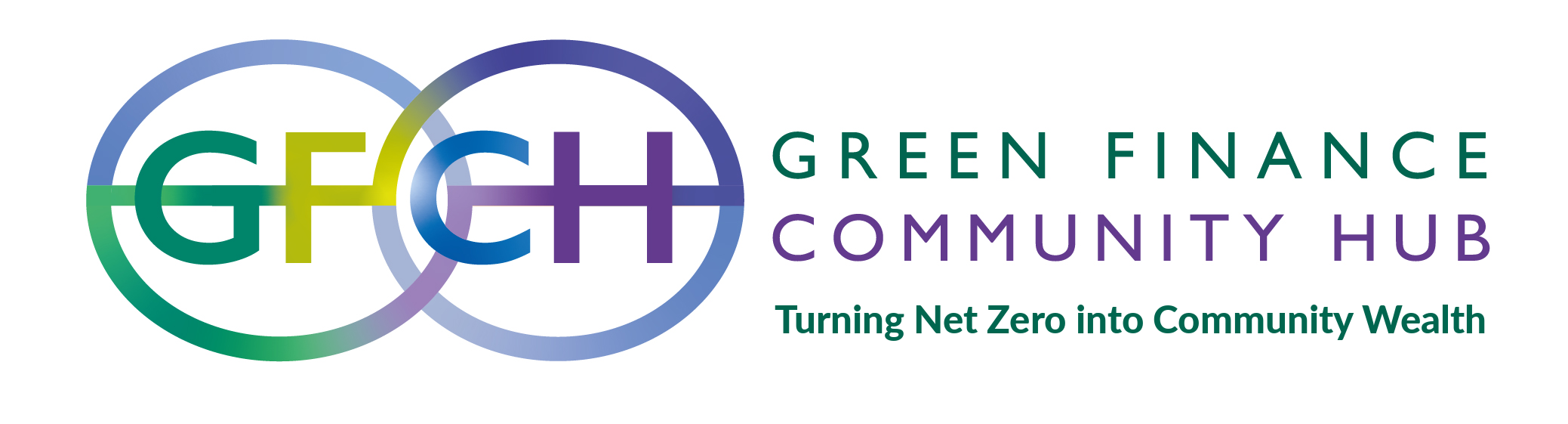
From First Idea to Investment Ready
Communities host Britain’s biggest clean energy projects but rarely own them.
We create, develop and incubate renewable energy and nature-based projects so that communities hold a real stake from day one, and we design the finance alongside the project so investors can say yes.
72%
Of respondents to the 2024 call for evidence named access to finance as the top barrier
£1bn
Committed through GB Energy’s Local Power Plan for at least 1,000 community and local projects by 2030
2 to 3
New projects will join our pipeline by 2028
The Incubation Path
Incubation is where our pipeline starts. Project Collette showed us the route: feasibility, business case and financial modelling, investor engagement, then investability.
STAGE 1
Idea
A community, council or partner brings an idea
STAGE 2
Feasibility
Site, resource, grid and early cost checks
STAGE 3
Business case
Financial modelling and community benefit
STAGE 4
Ownership
Capital stack and legal structure (CIIM)
STAGE 5
Investors
Engage investors and refine the offer
STAGE 6
Investment ready
Bankable, with a named route to finance
◆ Stage gate: a project moves on only when it meets our three criteria
Between each stage we hold a gate and decide, with the project team, whether it is ready to move on.
Stage Gates
Three Questions at Every Gate
Community benefit
Will local people hold a genuine stake, have a say in decisions and see wealth stay in the area?
Bankability
Can the project carry debt and equity on terms investors and lenders will accept?
Fit with our models
Can it use, test or strengthen the CIIM, the Community Finance Warehouse or community PPAs?
Projects We Are Incubating
Project Collette
Offshore wind, Irish Sea
A community-led offshore wind initiative and the first project we’ve designed our Community Integrated Investment Model (CIIM) for. So far, we’ve taken Collette towards investability through community and stakeholder engagement, investor engagement, a feasibility study, a grid study, a detailed finance model that has been adapted to include Collette’s CIIM model and a business plan.
Sea Lords of the West
Community seabed leasing
Menter Môn’s Morlais tidal energy project showed that a social enterprise can hold a Crown Estate seabed lease. Sea Lords of the West builds on that precedent to scale up community seabed leasing to include offshore wind. Sea Lords could become repeatable across regions and seas, with lease income shared and reinvested in local communities.
Have a Project Idea?
If you are a community group, council or landowner with a renewable energy or nature project in mind, we would love to hear from you.
